

How to Avoid Seasickness on a Sailing Boat
Last Updated: November 4, 2026
Quick Summary
The best way to avoid seasickness on a sailing boat is to prepare before you board and then keep your body adjusted to the motion once you are out. Eat light, stay hydrated, skip alcohol the night before, and stay topside with your eyes on the horizon. Choosing a seat near the center of the boat also helps, since it moves less than the bow or stern.
Eat a light breakfast with dry toast, crackers or fruit before boarding
Skip alcohol the night before your sail and limit caffeine and carbonated drinks
Stay topside in fresh air, since a closed cabin below deck often worsens nausea
Keep your eyes fixed on a distant, steady point on the horizon
Sit near the center of the boat, where the lower, middle sections move less
Table of Contents
How to Avoid Seasickness on a Catamaran Before You Sail
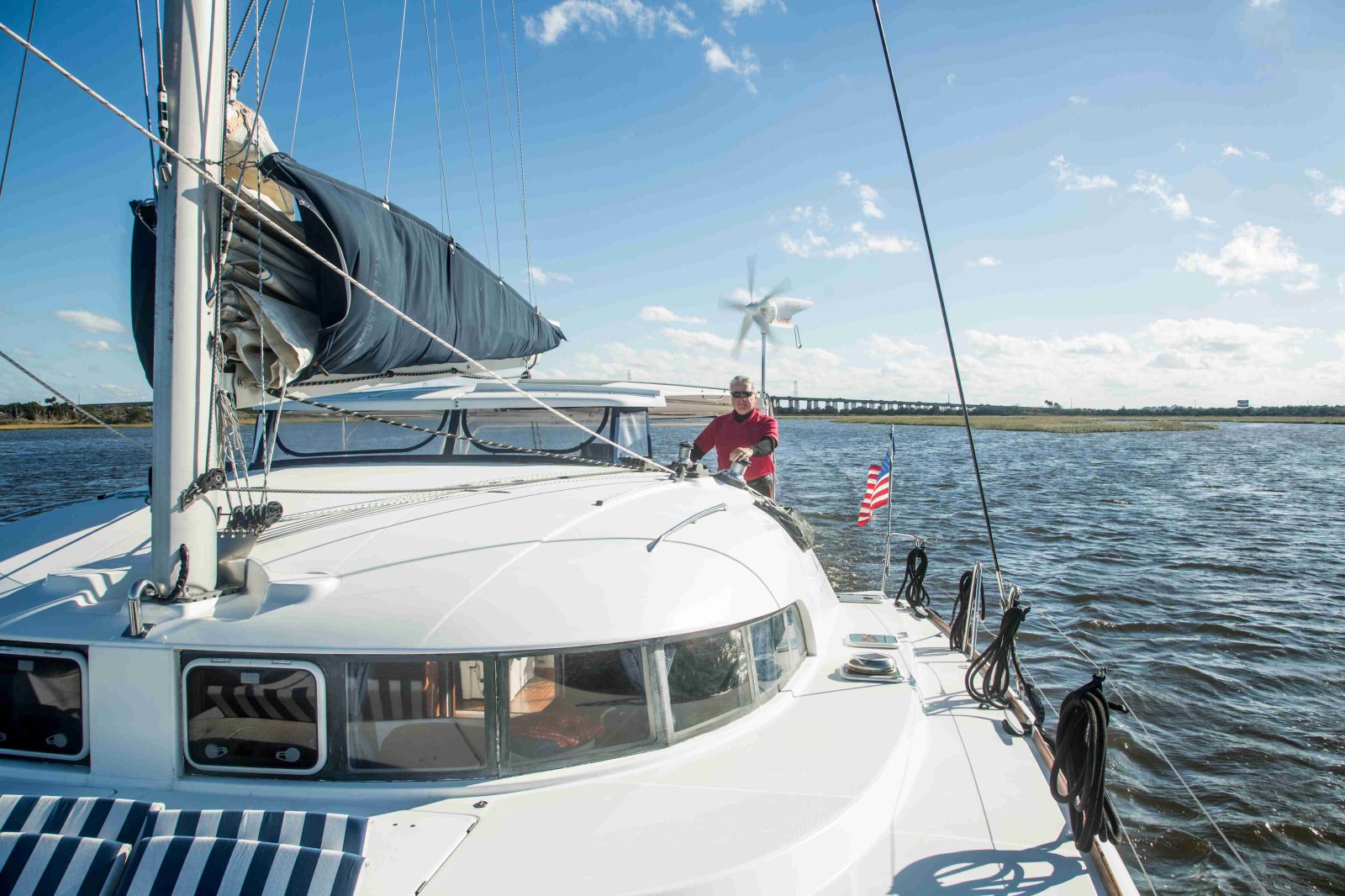
Seasickness can ruin a great day on the water, but most of it is preventable. At Follow That Dream Sailing, we take our guests out on a 41-foot Lagoon 410 S2 catamaran, and the steps you take before you board matter just as much as anything you do once you're out. Here is how to avoid seasickness on a catamaran before you sail.
Eat light before you leave the dock. Heavy, greasy or very acidic meals can make nausea worse once the boat starts moving. Drink water through the morning, and skip heavy alcohol the night before.
Eat a light breakfast with dry toast, crackers or fruit
Drink water steadily, but avoid gulping large amounts at once
Limit caffeine and carbonated drinks before boarding
Skip alcohol the night before your sail
Many guests also ask whether a catamaran feels steadier than a regular boat. A catamaran's two hulls tend to reduce rolling, which is a big trigger for motion sickness, so many first-time sailors find the ride more stable. While this dual-hull design offers a smoother motion, the increased exposure to reflective glare on the water makes preventing sunburn while boating an equally essential part of your preparation for a comfortable day at sea.
How to Prevent Sea Sickness Without Medication Once You're Out
Once you are on the water, a few simple habits can help your body adjust to the motion. Our frequently asked questions cover what to expect on board. The goal is to give your inner ear and eyes the same information, so they stop sending conflicting signals.

Stay topside in fresh air whenever you can. Ventilation helps, and being below deck in a closed cabin often makes nausea worse.
Keep your eyes on the horizon instead of the boat's interior
Sit or lie down in a stable position, and avoid reading
Stay hydrated with small sips of water
Ask the crew about the wind and current before you go
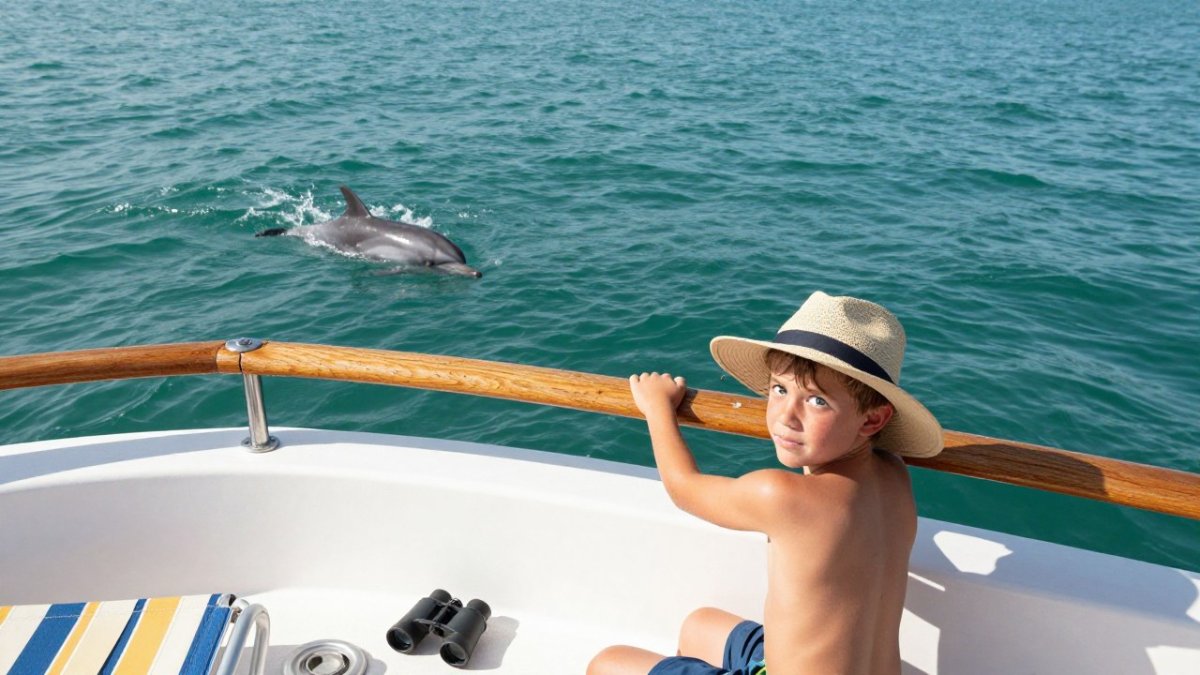
The horizon is the most useful tool you have. Fixing your gaze on a distant, steady point helps your brain line up what your body feels with what your eyes see.
Once you're on the water, these habits help your body adjust to the motion.
Habit | Why it helps | Tip |
Stay topside | Fresh air and ventilation | Avoid a closed cabin below deck |
Watch the horizon | Lines up eyes and inner ear | Fix your gaze on a distant, steady point |
Sit or lie down | Keeps your body stable | Avoid reading |
Sip water | Keeps you hydrated | Take small sips |
Ask the crew | Shows wind and current conditions | Ask before you go |
Where to Sit on a Boat to Avoid Seasickness and Book Your Sail
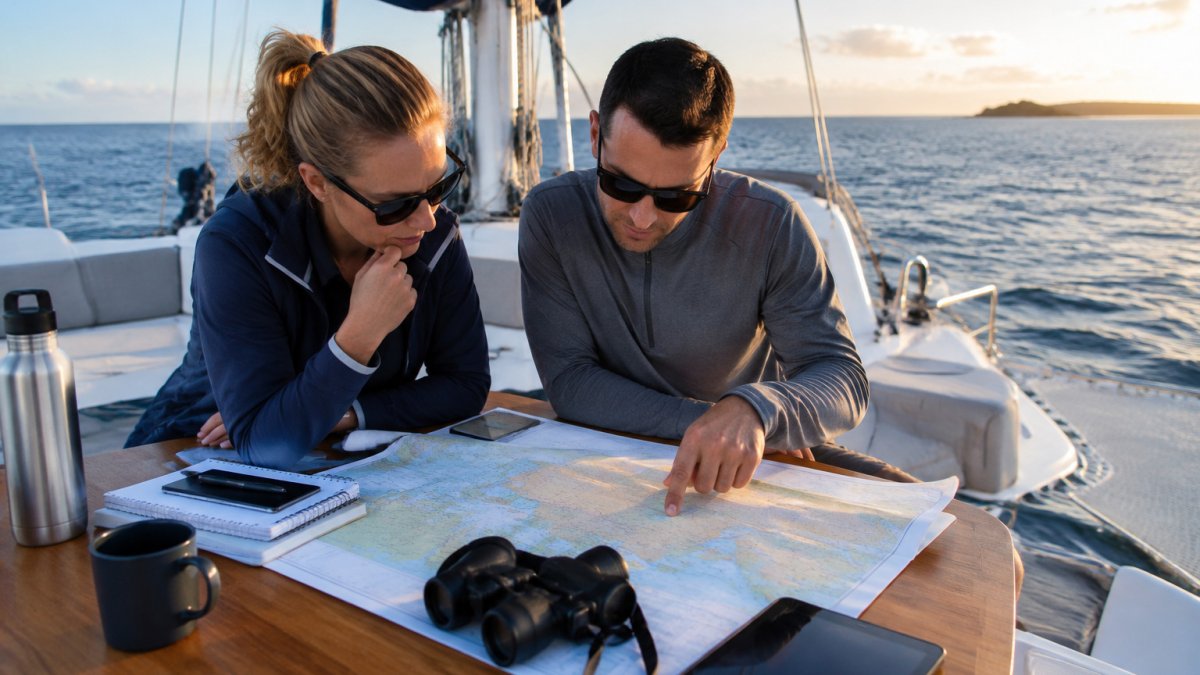
Your seat choice affects how much motion you feel. Generally, the center of the boat and the lower, middle sections move less than the bow or the stern. Take a look at the vessel layout and features to see where you can sit. On our catamaran, there is a comfortable space to spread out and pick the spot that feels best.
If you want to plan your trip, our [page:1] has tips on choosing a sailing charter. You can also review our [page:2] before you decide where to sit. When you are ready to compare options, check our [page:3] for current charter pricing, or [page:4] with any questions before you book. For more answers, visit our [page:5] page.
Frequently Asked Questions
Where is the best place to sit on a boat to minimize motion sickness?
The middle of a catamaran, near the centerline and low to the water, moves the least. On a catamaran, the twin hulls reduce rolling, so the mid-deck near the center of the boat is generally the steadiest spot. Sitting topside in open air, facing forward and looking at the horizon, helps more than sitting in a cabin below deck, where the motion is harder to track visually. Avoid the bow, where pitching is strongest, and avoid cabins with no windows. If you feel unwell, move to fresh air and keep your gaze fixed on a distant point.
How to not get seasick on a sailboat without taking pills?
Start with the basics: eat a light meal before you leave the dock, drink water steadily, and skip alcohol and heavy, greasy food. Stay on deck in fresh air, look toward the horizon rather than down at the boat or a phone, and take an active role such as steering or trimming sails, which keeps your body anticipating motion. Sleep well the night before and try to avoid strong smells like fuel or cooking. Most people adapt within the first day as their inner ear adjusts to the boat's movement.
What over-the-counter medications help prevent motion sickness on a boat?
Over-the-counter options exist for motion sickness, and some can cause drowsiness in some people. Read the label and check with a pharmacist or physician before use, especially if you take other medications, are pregnant, or are caring for a child. Medication works best as a preventive step taken before symptoms start.
Comments